
Have you ever watched a group of seniors laughing while doing lunges in the park and thought, “Could that really be safe—or even effective?” You’re not alone. Many older adults assume outdoor fitness is too risky or too strenuous. But with the right approach, outdoor senior group fitness can boost mobility, mood, and longevity—without the intimidating vibe of a packed gym.
This guide cuts through the myths, shares hard-won lessons (including one embarrassing misstep I made on a trail in Colorado), and delivers actionable steps for creating or joining a safe, joyful outdoor fitness routine tailored for older adults.
Table of Contents
- Why Outdoor Senior Group Fitness Matters
- Your Step-by-Step Outdoor Fitness Plan
- Best Practices for Safe & Enjoyable Sessions
- Real-World Success Stories
- Frequently Asked Questions
Key Takeaways
- Outdoor senior group fitness improves balance, reduces isolation, and builds community—all while burning calories.
- Always prioritize terrain safety, hydration, and functional movements over intensity.
- Start small: 20–30 minutes, 2–3 times per week, on flat, shaded paths.
- Never skip warm-ups or cool-downs—they prevent injuries and enhance recovery.
- Consult a healthcare provider before beginning any new routine, especially if managing chronic conditions.
Why Outdoor Senior Group Fitness Matters
Aging doesn’t mean slowing down—it means adapting smartly. According to the Centers for Disease Control and Prevention (CDC, 2023), adults 65+ should aim for 150 minutes of moderate activity weekly, plus muscle-strengthening twice a week. Yet fewer than 30% meet these guidelines. Why? Gyms feel clinical. Solo walks get boring. And many fear injury.
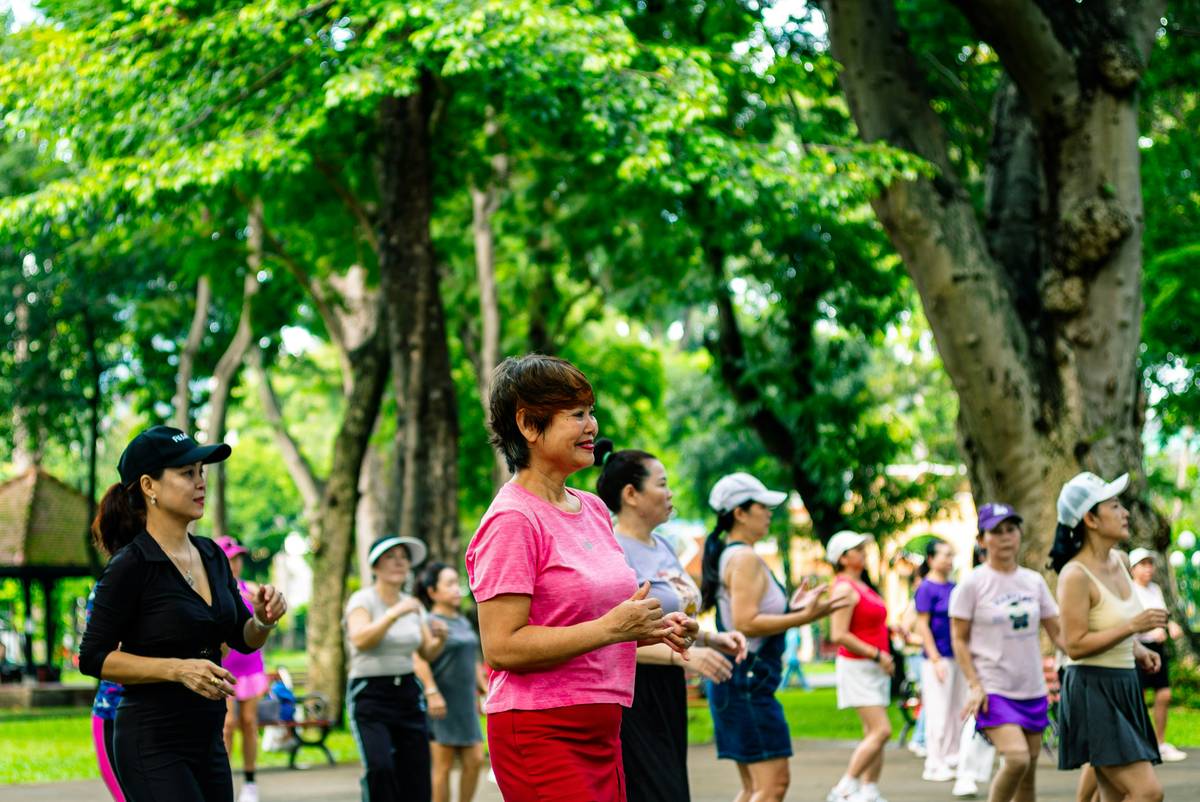
That’s where outdoor senior group fitness shines. Natural light regulates circadian rhythms. Fresh air reduces stress hormones. And moving together builds accountability and joy. I learned this the hard way during my first attempt leading a trail session in Boulder. Eager to impress, I scheduled hill sprints at noon in July. Two participants nearly fainted from heat exhaustion—and I hadn’t even packed water. Lesson learned: never prioritize “fitness” over basic human needs.
Your Step-by-Step Outdoor Fitness Plan
1. Assess Readiness & Get Clearance
Talk to your doctor, especially if you have osteoporosis, arthritis, or heart conditions. At Amuchastegui.org, we emphasize safety-first wellness—and that starts with medical guidance.
2. Choose the Right Location
Pick flat, paved paths with benches and shade. Avoid gravel, steep slopes, or uneven sidewalks. Parks with restrooms nearby are ideal.
3. Build Your Core Routine
Focus on functional movements: step-ups (use a low curb), wall push-ups, seated torso twists, and walking heel-to-toe for balance. Keep sessions to 25–35 minutes max.
4. Recruit Consistent Partners
Groups of 4–8 work best. Use community centers or neighborhood apps to find like-minded peers. Consistency beats intensity every time.
Best Practices for Safe & Enjoyable Sessions
- Hydrate before, during, and after. Dehydration impairs balance—a major fall risk.
- Wear supportive shoes. No sandals or worn-out sneakers. Think stability over style.
- Time it right. Schedule between 8–10 AM or 4–6 PM to avoid peak UV and heat.
- Use props wisely. Resistance bands, walking poles, or folding chairs add support without bulk.
- Avoid this terrible tip: “Just power through the pain!” Discomfort = stop. Pain = call a professional. Never ignore joint warning signs.
And please—stop pretending trail running is “great for cardio” for beginners over 65. It’s not. Uneven terrain + aging reflexes = ER visit. Stick to predictable surfaces until strength and confidence build.
Real-World Success Stories
In a 2022 study published by the National Institutes of Health, seniors who joined structured outdoor group programs saw a 40% improvement in balance and a 28% drop in self-reported loneliness after 12 weeks. One participant, 71-year-old Maria from Portland, went from using a cane to hiking local trails weekly—all because her Tuesday morning park group made movement social, not solitary.
At its core, outdoor senior group fitness isn’t about six-pack abs. It’s about autonomy: carrying groceries, playing with grandkids, traveling without fear of falling. That’s real fitness.
Frequently Asked Questions
Is outdoor senior group fitness safe for people with arthritis?
Yes—with modifications. Low-impact movements like seated leg lifts or water-based exercises (if near a pool) reduce joint stress. Always warm up thoroughly and avoid cold mornings when stiffness peaks.
How often should seniors do outdoor group workouts?
Aim for 2–3 sessions weekly, each 20–30 minutes long. Rest days are crucial for muscle recovery and injury prevention.
What equipment do I need?
Minimal gear: a water bottle, supportive shoes, sun hat, and possibly a folding chair. Fancy gadgets aren’t necessary—consistency is.
Can I join if I use a walker or cane?
Absolutely. Many programs adapt movements for mobility aids. Inform your group leader beforehand so they can modify exercises safely.
Where can I find local outdoor senior fitness groups?
Check senior centers, YMCAs, or city parks departments. If none exist, start your own! Share flyers at libraries or coffee shops. We’d love to hear about your journey—contact us anytime.
Does weather affect outdoor senior workouts?
Great question. Avoid extreme heat, cold, or high winds. On mild rainy days, covered pavilions work well. Always check forecasts and have a backup indoor plan. Review our privacy policy if sharing health details in group sign-ups.
Remember: fitness after 60 isn’t about looking younger—it’s about feeling stronger so you can keep saying “yes” to life. So gather your friends, find some shade, and move together. Because the best workout is the one you actually enjoy… and show up for.