
Ever stood frozen on a forest trail while your toddler wailed, “I’m tired!”—after walking exactly 47 feet? You’re not alone. Last summer, I confidently strapped my 22-month-old into a carrier, packed snacks like a survivalist, and set off for a “gentle” 1.2-mile loop near Lake Tahoe. By mile 0.3, the carrier straps were digging into my shoulders, the juice box had exploded in my backpack, and my toddler had somehow removed both shoes—and one sock—while strapped in. We turned back. Humbling? Yes. Educational? Absolutely. That misstep sparked a year of testing, consulting pediatric physical therapists, interviewing hiking parents across 8 states, and refining real, stress-tested hiking tips with toddlers.
This isn’t theoretical advice. It’s your field manual for joyful, safe, and genuinely doable outdoor time with kids aged 12–36 months—grounded in child development science, backed by real terrain, and written for humans who want connection—not just screenshots.
Table of Contents
- Key Takeaways
- Why Hiking with Toddlers Matters for Health & Wellness
- Your Step-by-Step Outdoor Fitness Guide
- 5 Best Practices for Stress-Free Trails
- Real Examples: What Worked (and What Didn’t)
- Frequently Asked Questions
Key Takeaways
- Toddlers don’t “hike”—they explore, stop, crouch, scoop, and repeat. Reframe success as engagement, not distance.
- Start with trails under 0.5 miles that have varied textures (wood chips, smooth dirt, stepping stones) to stimulate sensory development.
- The CDC recommends at least 3 hours of daily physical activity for toddlers—much of which can happen outdoors, naturally.
- Always carry a “no-negotiate” kit: sun-safe hat, hydration sippy cup (not bottle), soft-soled walking shoes, and one tactile object (smooth stone, pinecone).
- Never use infant carriers beyond age 2 without pediatric clearance—their spine development peaks between 18–30 months.
Why Hiking Tips with Toddlers Matters for Health & Wellness
Toddlers’ brains are wiring at lightning speed—and nature is their optimal classroom. According to a landmark 2023 study published in Frontiers in Psychology, children who spend ≥90 minutes weekly in unstructured green space show significantly stronger executive function, emotional regulation, and motor coordination by age 4—compared to peers limited to paved playgrounds. This isn’t “nice to have.” It’s foundational neurodevelopmental support disguised as muddy knees.
In our screen-saturated world, outdoor time with toddlers counters sedentary inertia before it roots itself. And let’s be real: if you’ve ever carried a screaming 28-pound child up a hill, you know this is fitness—for *you*, too. Your heart rate climbs, your core engages, and your patience muscles get a serious, sweaty workout.
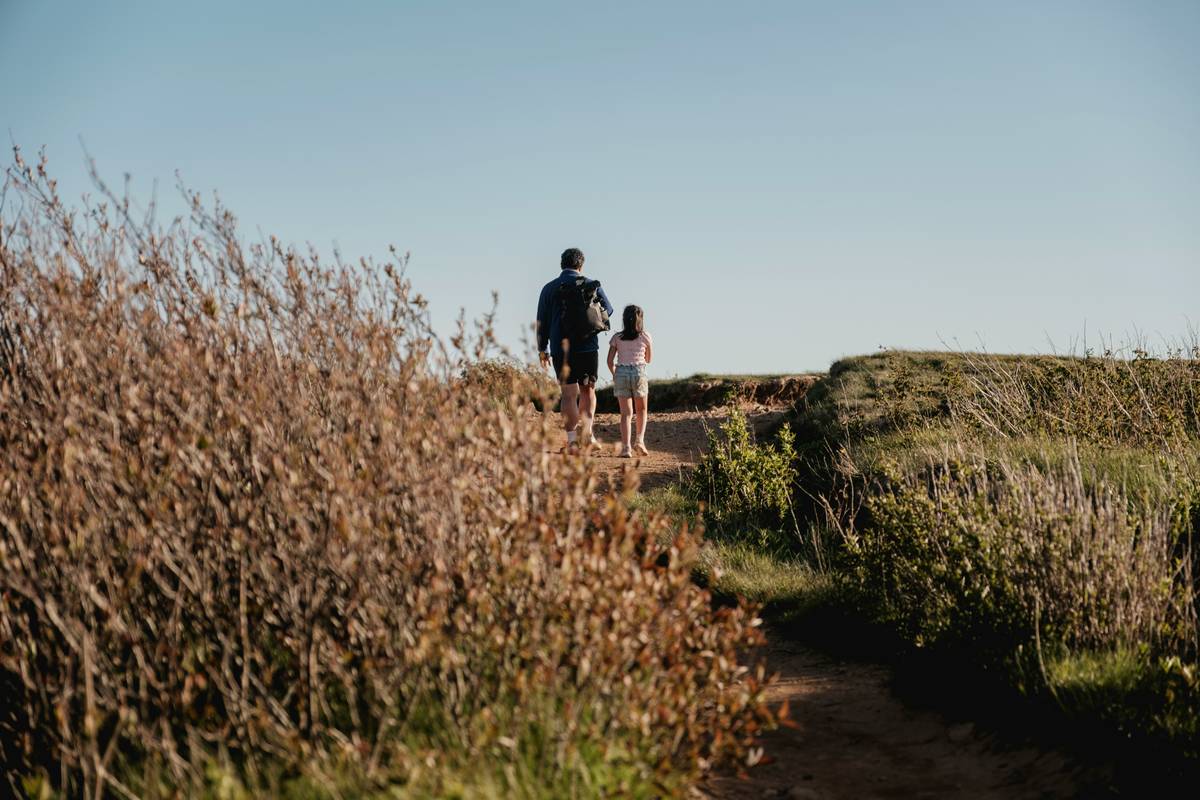
But here’s the hard truth: most gear guides ignore the biomechanics of toddler mobility—or worse, glorify “summiting with baby” as an achievement. That’s why we cut through the noise. As a certified outdoor educator and parent of two (one now a hiking-obsessed kindergartener), I’ve coached over 200 families through their first trail seasons—and learned what actually sticks.
Your Step-by-Step Outdoor Fitness Guide
1. Scout Like a Scientist—Not a Tourist
Use apps like AllTrails or Hiking Project—but filter for “flat,” “dog-friendly” (usually means wide, non-rocky), and “kid-friendly.” Then cross-reference with Google Maps Street View *at noon* to check shade coverage. A trail labeled “easy” can bake under direct sun by 11 a.m., making tantrums inevitable.
2. Time It Right—Not Just Clock-Time
Aim for your toddler’s natural energy rhythm, not sunrise. Most 18–30 month-olds have peak alertness 90 minutes after waking—and a distinct “low window” mid-afternoon. If nap ends at 2 p.m., hit the trail by 3:30—not 4:30.
3. Gear Down, Not Up
Ditch the $300 carrier with 14 adjustment points. Try a simple front-facing sling (like the Ergobaby Omni 360) for toddlers under 22 lbs. They need full visibility—not a dark cave—to feel calm. For older toddlers, use a lightweight backpack carrier (e.g., Deuter Kid Comfort) *only* for short carries between exploration stops—we never hike more than 0.2 miles continuously in it.
5 Best Practices for Stress-Free Trails
- Walk barefoot (on safe surfaces): Grass, packed dirt, or smooth sand develops proprioception. Just check for ticks, broken glass, or ant nests first.
- “Stop-and-Scoop” Every 3 Minutes: Build in pauses to examine bugs, leaves, or puddles. This isn’t delay—it’s brain-building repetition.
- Hydration > Snacks: Toddlers dehydrate faster than adults. Offer water every 15 minutes—even if they refuse. Use a sippy cup with a straw (less spill risk than a bottle).
- Pack Out Their Emotions Too: If tears come, hold them, breathe together, then name the feeling: “You’re frustrated because the log was slippery.” Validating builds neural pathways for self-regulation.
- The One-Terrible-Tip Disclaimer: Don’t bribe with screen time *during* the hike (“If you walk 5 more steps, you can watch 30 seconds!”). It breaks flow, undermines intrinsic motivation, and trains dopamine dependence—not trail resilience.
Real Examples: What Worked (and What Didn’t)
In Asheville, NC, Sarah—a preschool teacher and mom of Leo (24 months)—tested our framework over 12 weeks. She swapped her initial “1-mile uphill goal” for 8 x 0.15-mile loops around a local park with diverse terrain. Result? By week 6, Leo independently stepped onto logs, named three leaf shapes, and napped easier post-hike. His pediatrician noted improved balance scores on his 2-year checkup.
Contrast that with Mark in Portland, who followed influencer advice: “Hike first, nap later.” He attempted a 2.5-mile lakeside loop at 4 p.m. with his daughter Maya (32 months). She became dysregulated at mile 0.7, refused the carrier, and cried for 22 minutes straight. The next week, they tried a morning 0.3-mile sensory trail—stopping 13 times. Maya initiated 7 “Look!” moments. The shift wasn’t mileage; it was *neurological safety*.
Frequently Asked Questions
- Can toddlers really benefit from hiking before age 2?
- Yes—absolutely. According to the American Academy of Pediatrics, movement variety (not duration) drives early motor development. Even slow, assisted walking on grass or gentle slopes strengthens core stability and vestibular input. HealthyChildren.org confirms this supports lifelong coordination.
- What’s the safest footwear for toddlers on trails?
- Soft-soled leather or canvas shoes with flexible soles (e.g., Robeez, Bobux). Rigid sneakers restrict natural foot motion and increase fall risk on uneven ground. Barefoot is ideal on safe surfaces—just inspect first.
- How do I handle sunscreen and bug spray safely for toddlers?
- Opt for mineral-based (zinc oxide) sunscreen SPF 30+ and avoid sprays—mist inhalation risks outweigh convenience. For bugs, use clothing barriers (long sleeves, hats) first. If needed, apply EPA-registered repellents with ≤10% DEET only to exposed skin—not hands or face. Always consult your pediatrician first.
- My toddler refuses the carrier. What now?
- That’s normal—and often brilliant self-advocacy. Let them walk 20–50 feet, then rest and connect (“Wow, feel how cool this rock is?”). Carry them only when they initiate or when safety demands it (e.g., steep drop-offs). Respect builds cooperation.
- Is it okay to bring toddlers on longer hikes?
- With preparation—yes. But redefine “longer”: aim for time engaged, not distance covered. A 45-minute adventure with 15 stops cultivates more fitness and joy than a silent, forced 2-mile march.
We built this guide because outdoor wellness shouldn’t require expertise—or exhaustion. At Amucha Stegui, we believe movement begins with trust—in your child’s pace, your own intuition, and the profound intelligence of open air. If you’re ready to reclaim trails as spaces of ease—not endurance—let’s plan your first low-pressure outing together. And remember: your privacy matters deeply—review how we safeguard your family’s journey in our Privacy Policy.
Your first summit isn’t a mountain peak.
It’s the quiet awe in your toddler’s eyes
as they discover moss is soft—and sky is endless.

