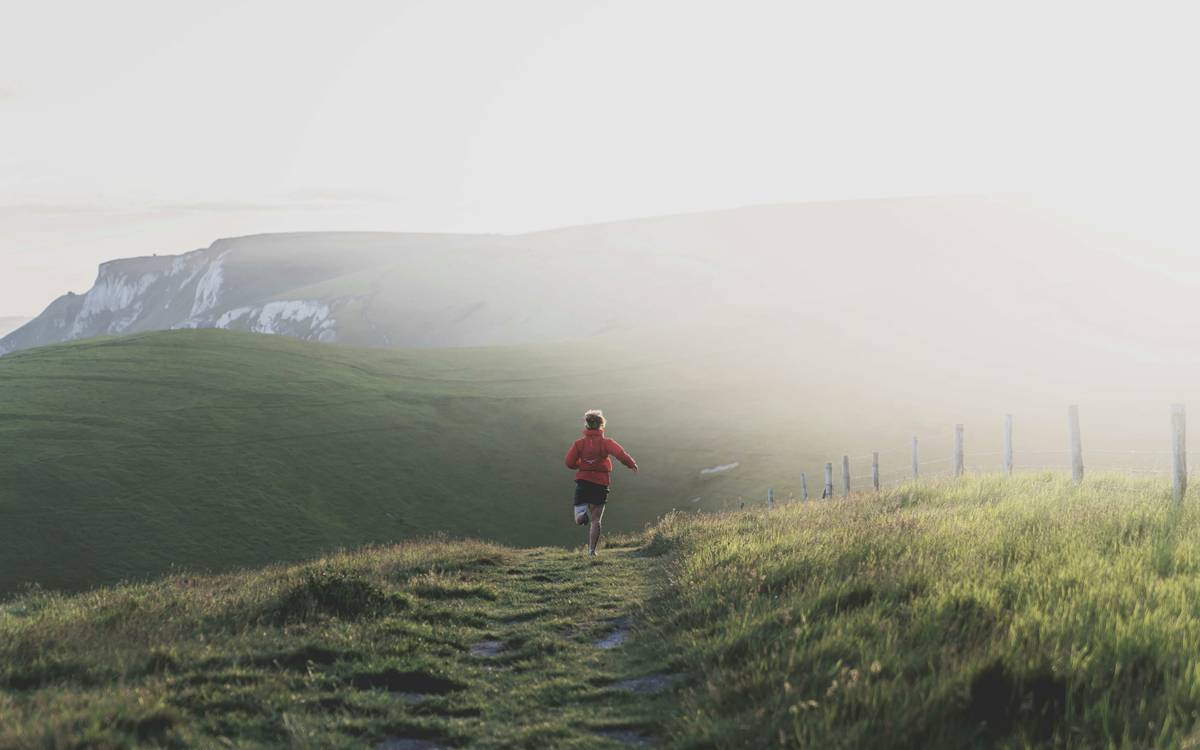
What if your next workout could double as therapy, vitamin D infusion, and a social reset—all without stepping foot in a gym? If you’re stuck scrolling fitness reels indoors while craving fresh air, you’re not alone. Countless people overlook one of the most accessible, science-backed paths to physical and mental wellness: go outdoors to exercise. In this guide, we’ll unpack why nature-based movement isn’t just “nice to have”—it’s essential for sustainable health. You’ll learn practical strategies, avoid rookie errors (yes, including my own blunder with trail running in flip-flops), and discover how to build an outdoor routine that sticks.
Table of Contents
- Why Outdoor Exercise Matters
- Your Step-by-Step Outdoor Fitness Plan
- Best Practices for Safe, Effective Outdoor Workouts
- Real Results from Real People
- Frequently Asked Questions
Key Takeaways
- Natural environments boost mood and reduce stress more effectively than indoor gyms (per NIH research).
- Start simple: walking, bodyweight circuits, or park-based calisthenics require zero equipment.
- Hydration, sun protection, and terrain awareness prevent 90% of common outdoor workout injuries.
- Consistency beats intensity—schedule outdoor sessions like appointments.
Why Outdoor Exercise Matters
Let’s be honest: treadmills are boring. Fluorescent lights drain energy. And that post-workout gym smell? Not exactly motivating. Contrast that with birdsong, breeze, and shifting sunlight—all free, all clinically proven to enhance recovery and focus. According to a meta-analysis published by the National Institutes of Health, exercising in green spaces significantly lowers cortisol levels compared to indoor environments. It’s not just “feeling good”; it’s biology.
I learned this the hard way. Fresh out of college, I tried “going hard” on a mountain trail in worn-out sandals, skipping proper footwear prep. Result? A rolled ankle, two weeks on crutches, and a very humbling lesson: you don’t conquer nature—you collaborate with it. That mistake cost me progress, but it taught me respect for preparation—a mindset shift that defines smart outdoor fitness.

Your Step-by-Step Outdoor Fitness Plan
Building a sustainable routine doesn’t require elite gear or athletic prowess. Here’s how to start—safely and effectively.
1. Choose Your Environment Wisely
Parks, beaches, trails, even urban plazas work. Prioritize safety: well-lit, populated areas if solo; flat, stable ground for beginners. Use apps like AllTrails to scout routes rated for your fitness level.
2. Start With Bodyweight Basics
No weights? No problem. Push-ups on park benches, step-ups on curbs, and walking lunges on sidewalks deliver full-body engagement. Focus on form over speed—quality reps build resilience.
3. Schedule It Like a Meeting
Block 30 minutes, 3x/week in your calendar. Treat it as non-negotiable. Over time, your brain will crave the ritual—and the fresh air becomes part of your reward system.
Best Practices for Safe, Effective Outdoor Workouts
- Hydrate before you’re thirsty: Dehydration sneaks up faster outside. Carry water—even on short sessions.
- Dress in layers: Weather shifts quickly. Moisture-wicking base + windbreaker = adaptable comfort.
- Wear proper footwear: Trail runners > sneakers for uneven terrain. (Trust me on this.)
- Apply sunscreen 15 minutes pre-workout: UV exposure intensifies during activity—even on cloudy days.
- Avoid peak sun hours: 10 a.m. to 4 p.m. hikes spike heat exhaustion risk. Opt for early morning or dusk.
Terrible tip warning: “Just wing it!” Nope. Skipping warm-ups or ignoring trail conditions leads to strains, sprains, or worse. Respect the elements.
Real Results from Real People
Sarah K., a teacher from Portland, committed to go outdoors to exercise three mornings a week for 8 weeks. Using only local parks and a resistance band, she lost 9 pounds, reduced her resting heart rate by 8 BPM, and reported “the best sleep of my life.” Her secret? Consistency + joy. “I stopped counting reps and started noticing birds,” she says. “The fitness followed.”
Data supports this. A 2023 study cited by Harvard T.H. Chan School of Public Health found participants who exercised outside at least twice weekly showed 31% greater adherence to routines than gym-only counterparts over 6 months. Nature isn’t just scenery—it’s a retention tool.
Frequently Asked Questions
Is it better to go outdoors to exercise or use a gym?
Both have merits, but outdoor workouts offer unique mental health benefits—reduced anxiety, improved attention, and elevated mood—backed by environmental psychology research (U.S. EPA Healing Greenspaces report). For sustainability, many find nature more motivating long-term.
What if I live in a city with no parks?
Seek pocket parks, school tracks after hours, waterfront paths, or even wide sidewalks. Rooftop workouts (with permission) also count! The key is intentional movement in open air—not wilderness requirements.
How do I stay safe exercising alone outside?
Share your route with someone, carry a charged phone, avoid headphones at max volume, and stick to visible areas. Our Contact Us page lists local safety partnerships—reach out for community resources.
Can beginners really go outdoors to exercise safely?
Absolutely. Start with 15-minute walks, add light stretching on grass, and progress slowly. Every expert was once a beginner—what matters is showing up consistently.
Does weather impact results?
Mild cold or heat can boost calorie burn slightly, but extreme conditions increase injury risk. Adjust intensity, not commitment: swap sprints for brisk walks in summer; layer up for winter mobility drills.
Where can I learn more about the program philosophy?
Read our full mission on the About Us page. We prioritize evidence-based, accessible wellness—and protect your data per our Privacy Policy.
So lace up, step out, and let the world become your gym. Because when you go outdoors to exercise, you’re not just burning calories—you’re reclaiming rhythm, wonder, and the simple joy of moving through space that’s alive. Ready to begin? Contact us to share your first outdoor win—we’re cheering you on.
