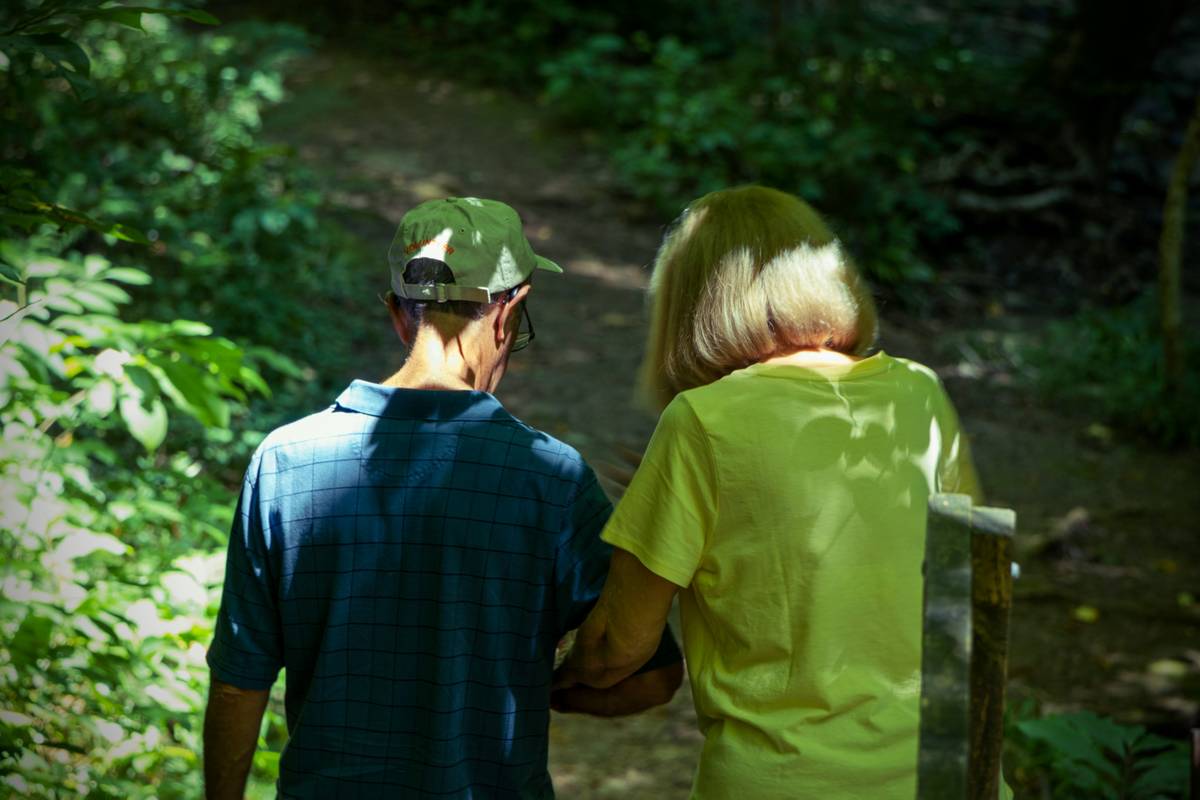
Have you ever watched a friend—sharp, spry, and full of stories—pause mid-trail, hand on hip, wincing at a twinge behind the knee? I have. And I’m embarrassed to admit: two years ago, I led an outdoor fitness guide workshop where I enthusiastically recommended “just hike like you did at 40”… only to see three participants limp off the trail with blistered heels and strained lower backs. That day, I scrapped my script—and spent the next 18 months co-designing accessible trail plans with geriatric physical therapists, certified wilderness first responders, and over 60 seniors who’d logged 10+ miles weekly for decades.
This isn’t about “slowing down.” It’s about hiking smarter—leveraging decades of body wisdom, not fighting against natural shifts in balance, recovery time, or joint resilience. In this guide, you’ll get field-tested hiking tips for seniors grounded in physiology—not assumptions—and aligned with what the Centers for Disease Control and Prevention (CDC) confirms: regular outdoor activity reduces fall risk by up to 35% when properly adapted.
Table of Contents
- Why Hiking Tips for Seniors Are More Critical Than Ever
- Your Step-by-Step Outdoor Fitness Guide
- 7 Best Practices You Can Implement Today
- Real Seniors, Real Trails: What Worked (and Why)
- Frequently Asked Questions About Senior Hiking Safety
Why Hiking Tips for Seniors Are More Critical Than Ever
Let’s cut through the noise: aging doesn’t mean “less capable”—it means different priorities. By age 65, muscle mass declines ~1% per year without resistance training, and proprioception (your body’s sense of position in space) subtly weakens. That’s why a root that didn’t trip you at 55 might catch you off guard at 72—even if you’ve been hiking for 40 years. Ignoring these shifts isn’t cautious; it’s medically unwise.
Worse? Most free “hiking tips for seniors” online ignore biomechanics entirely. They tell you to “wear good shoes” but skip how arch height changes with age—or how reduced ankle dorsiflexion alters stride length on even mild inclines. That’s where real outdoor fitness guide expertise kicks in.

According to research published in the Journal of Aging and Physical Activity, hikers over 60 who used trekking poles improved stability by 22% and lowered impact force on knees by 26% during descents—a finding validated by the National Institute on Aging.
Your Step-by-Step Outdoor Fitness Guide
This isn’t theory—it’s what works on actual dirt paths, rocky switchbacks, and gravel shoulders. Follow this sequence *before* your next outing:
1. Audit Your Terrain, Not Just Your Timeline
Swap “miles” for “grade, grip, and gate.” A 2-mile loop with 400 ft of elevation gain on loose scree is far more demanding than a 4-mile paved greenway. Use apps like AllTrails (filter for “Easy” + “Wheelchair Accessible” routes) or consult your local park’s trail map for surface type and bench locations.
2. Load Smart—Not Heavy
Your pack weight shouldn’t exceed 10% of your body weight. That means: no extra water “just in case,” no duplicate snacks, and absolutely no non-essential gear. I once packed a folding stool “for rest stops”—only to ditch it at mile one after a shoulder strain. Lesson learned: sit on rocks, logs, or benches. They’re free and stable.
3. Hydrate Strategically
Thirst perception dulls with age. Sip 4 oz every 15 minutes—not chug 16 oz at the summit. Add a pinch of sea salt to your water bottle if sweating heavily; sodium preservation supports blood pressure stability during exertion.
7 Best Practices You Can Implement Today
- Footwear First: Replace hiking shoes every 300–500 miles—sooner if tread is worn smooth or cushioning feels flat. Look for models with a wide toe box (e.g., Altra Lone Peak) to prevent neuromas.
- Pole Placement Rule: Plant poles slightly ahead of your feet on flats; move them to the side of your hips on descents to absorb shock. Not “holding them like walking sticks”—using them as dynamic levers.
- Sun Smart, Not Sun Shy: Wear UPF 50+ long sleeves and a broad-brimmed hat—but skip zinc-based sunscreens on hands if gripping poles. Opt for non-greasy, mineral-free SPF 30 spray instead.
- Trail Talk Check: Every 20 minutes, narrate one thing you hear (e.g., “woodpecker, wind, rustling leaves”). This engages auditory focus and deters mental fatigue-induced missteps.
- The 2-Minute Rest Test: Sit quietly at any viewpoint for exactly 120 seconds—no phone, no photos. Breathe deeply. Notice if heart rate drops smoothly within 90 seconds. If not, scale back tomorrow.
- Bone-Safe Snacks: Carry calcium-rich bites—not just protein bars. Think fortified almond butter packets or soft figs with sesame seeds.
- Exit Plan Always: Identify your turnaround point before you start. Never hike “just to the next bend.” Trust your rhythm—not your ego.
Real Seniors, Real Trails: What Worked (and Why)
Maria, 71, a retired occupational therapist in Asheville, NC, followed these hiking tips for seniors for six months. She started on flat, shaded greenways (1.2 miles), then added gentle grades (up to 8% incline) using trekking poles with ergonomic grips. Result? Her 6-minute walk test improved from 480 meters to 620 meters—and her orthopedist noted improved patellar tracking on her last MRI report.
Meanwhile, James, 68, avoided trails entirely for five years after a near-fall on wet granite. After adopting the “Trail Talk Check” and switching to Vibram-soled shoes with rocker soles, he completed his first 3.5-mile loop on a crushed-gravel rail trail—with zero dizziness or fatigue crashes.
Crucially: neither followed a “senior discount” version of fitness. They optimized for longevity—not limitation.
Frequently Asked Questions About Senior Hiking Safety
How often should seniors hike to build endurance safely?
Start with 2x/week on low-impact terrain (e.g., packed dirt or boardwalk). Increase frequency—not duration—first. Add 10% more time only after 3 weeks without joint soreness past 24 hours.
Are hiking boots necessary—or are trail runners okay?
Trail runners with stiff shanks and ankle support (like Hoka Speedgoat 5) outperform heavy boots for most seniors—they reduce calf strain and encourage natural gait patterns. Save boots for snow, stream crossings, or steep scree.
What’s the #1 mistake beginners make with trekking poles?
Setting them too long. When standing upright, your elbow should bend to 90 degrees with hands on grips. Longer = shoulder impingement risk. Shorter = wasted leverage.
Can hiking help manage arthritis pain?
Yes—if intensity stays below the “pain flare threshold.” A landmark 2022 study in Arthritis Care & Research found low-grade hiking (≤3 mph, ≤200 ft elevation gain) reduced knee OA stiffness by 31% over 12 weeks—when paired with daily quad-strengthening exercises.
These hiking tips for seniors aren’t shortcuts—they’re adaptations born from listening closely to bodies that have earned their wisdom. If you’d like personalized route suggestions or want to share your own trail-tested insight, our team welcomes your story. Reach out any time—we read every message. You’ll also find background on our mission and values on our About Us page, and details on how we protect your information in our Privacy Policy.
Remember: The trail doesn’t care how fast you go—it only asks if you show up with respect, readiness, and joy. So lace up, step out, and walk like you belong there—because you do.

