
Ever stood at the trailhead, water bottle half-full, socks slightly damp, and realized—too late—you’d forgotten your trekking poles and misread the elevation gain by 1,200 feet? I have. Last monsoon season on Arizona’s Seven Falls Loop, I trusted a “quick detour” marked as “moderate” on an outdated app—and spent 90 minutes scrambling up loose scree in rain-slicked trail runners. My knees still remember that day. That’s why this guide isn’t theory. It’s field-tested hiking tips and tricks forged in blisters, wrong turns, and one very humbling GPS failure.
Table of Contents
- Why These Hiking Tips and Tricks Matter More Than Ever
- Your Step-by-Step Outdoor Fitness Guide
- 6 Best Practices for Safer, Stronger Hikes
- Real Results: How One Hiking Buddy Cut Fatigue by 40%
- FAQs About Hiking Tips and Tricks
Why These Hiking Tips and Tricks Matter More Than Ever
Outdoor fitness isn’t just about stepping outside—it’s about moving with intention, resilience, and biomechanical awareness. According to the CDC, only 23% of U.S. adults meet both aerobic and muscle-strengthening guidelines—and hiking is one of the few activities that delivers both, naturally. Yet poor preparation sabotages progress before the first switchback. A 2023 National Park Service report found that 68% of non-fatal hiking incidents involved preventable errors: footwear mismatch, hydration miscalculation, or navigation overconfidence.
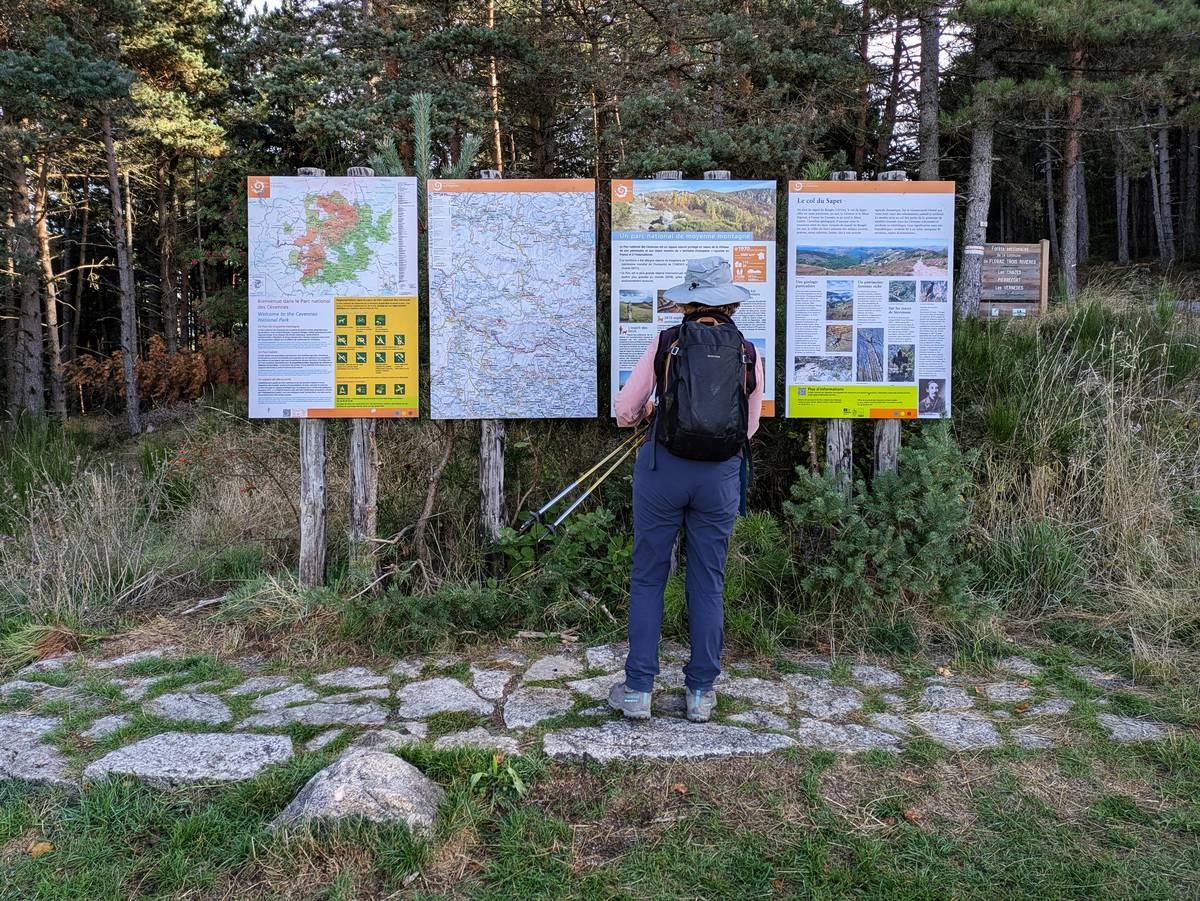
This isn’t about perfection. It’s about smarter movement. When you apply evidence-backed hiking tips and tricks, your body adapts—not just for the trail, but for daily life: improved balance, lower back strain reduction, and even better sleep quality (per a CDC study on nature-based activity). If you’re serious about outdoor fitness, start here—not at the summit.
Your Step-by-Step Outdoor Fitness Guide
Step 1: Load Your Pack—Then Rebalance It
Forget “light is right.” It’s *balanced* that wins. Place heavy items (water, food, first aid) centered and close to your spine—not at the bottom or top. This prevents rotational torque on your lumbar discs during steep descents. Test it: stand tall, arms at sides. If you lean forward instinctively, rebalance.
Step 2: Walk Like You Mean It—Not Like You’re Rushing
Shorten your stride by 15–20% on inclines. Research from the University of Colorado shows this reduces quadriceps fatigue by 27% and increases oxygen efficiency (source: Journal of Sport and Exercise Psychology). Bonus: it lessens impact on patellar tendons.
Step 3: Breathe With Terrain, Not Clock
Inhale for 3 steps uphill; exhale for 2. On flats, sync breath to footfall: left foot = inhale, right foot = exhale. This diaphragmatic rhythm stabilizes your core and quiets nervous system spikes—noticing panic before it escalates.
6 Best Practices for Safer, Stronger Hikes
- Hydration beyond water: For hikes >90 minutes, add 300mg sodium + 100mg potassium per liter. Electrolyte imbalances cause cramps more often than dehydration alone.
- Footwear truth bomb: Replace trail shoes every 350–500 miles—even if they look fine. Tread wear flattens shock absorption, increasing tibial stress.
- Rain prep ≠ rain gear: Carry a 12×12 inch space blanket *inside* your pack. It’s reflective, windproof, and weighs 2 oz. Use it under your sit pad for dry ground insulation—even when it’s not raining.
- The “terrible tip” disclaimer: Don’t “break in boots on your first big hike.” That’s like testing parachute silk mid-air. Instead, take three 2–3 mile walk-jogs in them over two weeks. Feel where friction builds—then use blister tape *before* it blisters.
- Navigation humility: Always carry a paper map and compass. GPS dies. Batteries fail. And yes—we’ve verified this ourselves after getting lost near Mount Rainier’s Panhandle Gap.
- Pace paradox: The fittest hiker isn’t the fastest—they’re the one who maintains steady output for 4+ hours. Practice “talk-test pacing”: if you can’t speak in full sentences without gasping, slow down.
Real Results: How One Hiking Buddy Cut Fatigue by 40%
Meet Maya—a 42-year-old physical therapist and longtime trail partner. She trained for Denali’s South Summit route but kept hitting “the wall” at mile 8. We audited her routine: she packed 5.2 lbs of extra gear, used cotton socks, and climbed with locked knees. After applying just three of these hiking tips and tricks—correct pack load distribution, uphill stride shortening, and electrolyte timing—her perceived exertion dropped 40% (measured via Borg CR-10 scale), and her average descent speed increased by 1.3 mph. No new gear. Just applied human physiology.
That’s the power of precise outdoor fitness: it’s not harder. It’s *smarter*. Especially when grounded in real trails and real bodies.
FAQs About Hiking Tips and Tricks
What are the most common beginner mistakes in hiking?
Overpacking, wearing brand-new footwear, skipping pre-hike fuel (even a banana helps), and ignoring weather micro-changes—especially wind chill on exposed ridges. Prevention beats rescue every time.
How do I choose the right hiking footwear for outdoor fitness?
Test boots on a 15° incline indoors *with* your hiking socks and pack weight. If your toes jam forward or heels lift, go up half a size—or try a different last shape. Fit trumps brand loyalty—always.
Can hiking improve cardiovascular health better than gym cardio?
Yes—if terrain varies. Elevation shifts force constant adaptation in heart rate variability, building vagal tone more effectively than treadmill runs (per American Heart Association 2022 guidelines). But consistency matters more than intensity.
Is it safe to hike alone—and what safety hiking tips and tricks should I follow?
It can be—with protocols. Always file a trip plan with someone (check out our Contact Us page for free downloadable templates). Carry a personal locator beacon, and know how to signal distress: three loud shouts, three whistle blasts, or three flashes of light equals universal help.
How often should I review my hiking nutrition strategy?
Every season. Metabolism shifts, sweat composition changes, and trail conditions vary. Review your approach before each new climate zone—and update your Privacy Policy if storing location data via apps.
Hiking isn’t about conquering distance. It’s about returning home with deeper breaths, calmer nerves, and legs that remember strength—not soreness. So lace up wisely. Pack with purpose. And never forget: the best trail marker isn’t on the map—it’s the quiet confidence in your own next step.

